Mistakes Made During Fake Grass Installation in Austin (and How to Avoid Them)
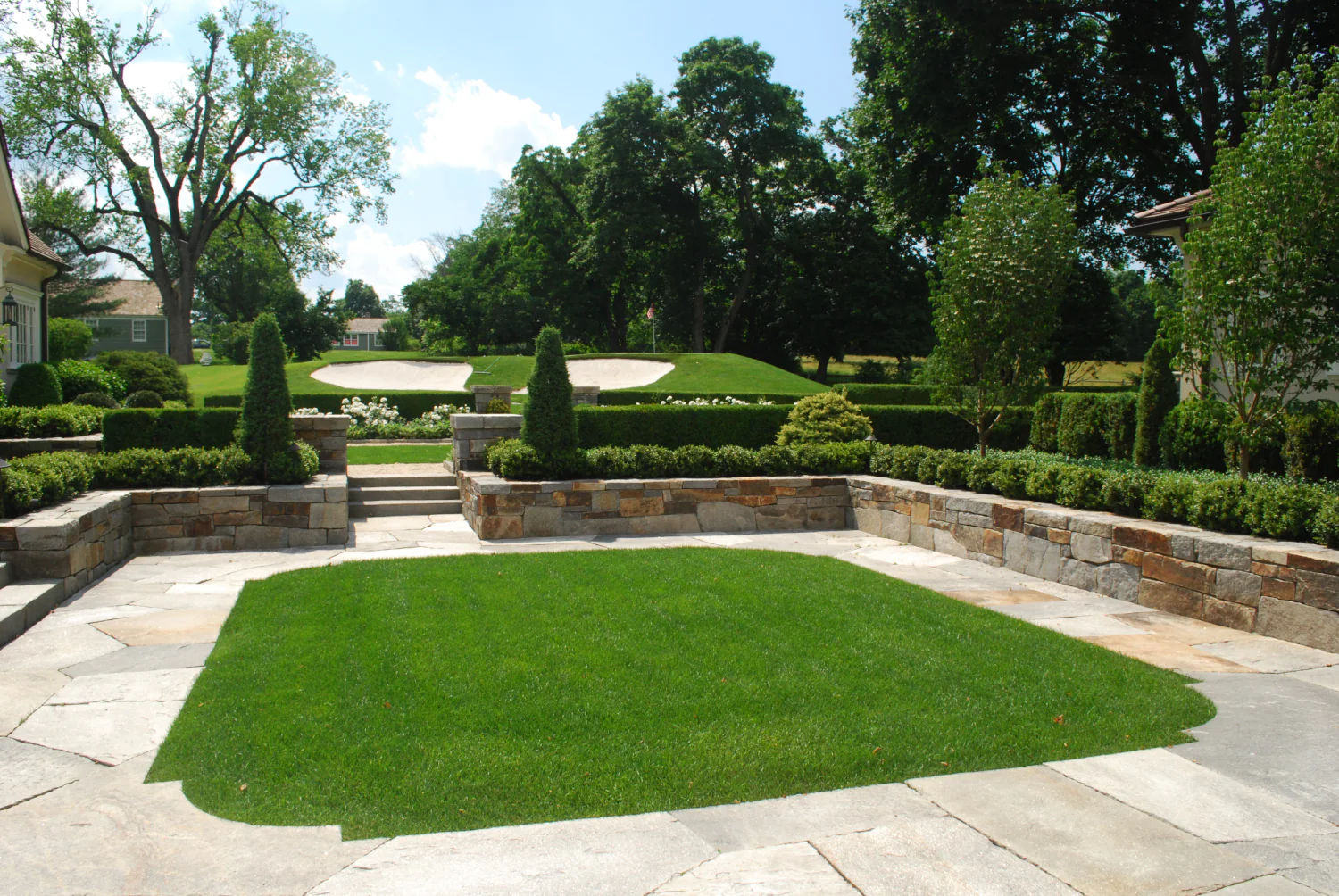
Synthetic grass has become a popular landscaping choice for Austin residential homeowners looking for a visually appealing, low-maintenance lawn. Whether you're installing artificial turf for dogs, building a backyard putting green, or simply replacing your natural lawn with long-lasting lawn turf grass, the finished product can be stunning. But as long as the setup is done the right way.
Many homeowners make serious mistakes during fake grass installation that can result in poor drainage, visible seams, early wear, and an unrealistic look. The great news? Most of these mistakes are easy to avoid when you understand what to look out for.
Mistake #1: Insufficient Base Prep
The base of any high-quality synthetic grass installation is the layer below. Some DIY installers rush through or completely skip correct base prep, which causes future issues.
The Problem: Without a properly compacted base, your artificial grass can develop sunken areas, bumpy areas, and water drainage problems. This is even more concerning for artificial grass for pets, where effective drainage is essential for odor management and cleanliness.
How We Avoid It: When building the foundation for large-scale pet parks, we use non-compacted stone for enhanced drainage. We remove the soil and lay a crushed stone base. Correct grading with a slight slope ensures water flows away from structures and doesn't sit in low areas. This important process requires specialized equipment and know-how to do correctly.
Mistake #2: Neglecting Drainage Requirements
Drainage problems is one of the most common complaints about artificial turf installations, yet it's completely preventable with proper planning and expertise.
The Problem: When water fails to drain correctly through and away from your synthetic grass, you'll end up with water buildup, soft spots, and potential mold or mildew growth. For Austin residents with artificial turf for dogs, inadequate drainage can also lead to unsanitary conditions and lingering smells.
How We Avoid It: Our installers assess your site drainage requirements before work starts. Expert installation includes drainage channels in low-lying areas and always preserves adequate slope away from buildings. This expertise prevents water damage problems that can affect non-professional projects.
Mistake #3: Noticeable Seams
Few things ruin the appearance of synthetic grass sooner than obvious seam lines that cut through the surface, a obvious sign of lack of experience.
The Problem: Bad seam placement, uneven grain direction, or inadequate seaming techniques result in noticeable seams that make your artificial lawn look fake and unprofessionally installed.
How We Avoid It: Our team carefully plans seam placements, keeping clear of high-traffic areas and installing them where they'll be least visible. They ensure the grain of connected turf pieces runs in the proper direction and use seam tape with quality outdoor adhesive engineered for artificial grass. For critical areas like a backyard putting green, we produce virtually invisible seams that preserve the visual appeal of your installation.
Mistake #4: Choosing the Wrong Turf
Not all artificial grass is the same, and choosing the wrong product for your specific needs can result in frustration.
The Problem: Using turf that is not suited for your application or needs results in long-term dissatisfaction. Using putting green turf for a pet area or using turf with the wrong pile height for your region are common mistakes. Different uses require different turf characteristics.
How We Avoid It: We help you select the correct turf for your specific needs. First, making sure you have the right options for your climate and region is best practice. For artificial grass for pets, you need turf engineered with improved drainage and durable fibers that fight stains. Artificial turf for dogs features higher face weights that can withstand heavy use. When building a backyard putting green, we choose turf with the proper stimp rating and response for your experience level. SWG produces high-quality synthetic turf with specific characteristics in mind, which controls qualities like pile height, ounce weight, and best application for you and your family, helping prevent subpar results and disappointment later.
Mistake #5: Insufficient or Incorrect Infill Application
Turf infill serves multiple purposes in fake grass installation: it adds weight, keeps blades upright, provides cushioning, and aids in filtration. Applying infill correctly requires knowledge and precision.
The Problem: Leaving out infill, using the wrong type, or underapplying leads to matted grass, drainage issues, and a surface that doesn’t look or feel natural. Excess infill can also create problems by making the surface too firm and causing excess heat retention.
How We Avoid It: Available infills include silica sand or antimicrobial sand for pet areas like K9 sand. We distribute infill evenly using specialized equipment. We then professionally brush the turf after infill application to push it into the fiber and allow blades to stand upright, achieving that perfect natural appearance. If you want your turf to remain cooler in the blazing summer heat, you should also explore HydroChill®, which has an antimicrobial agent.
Mistake #6: Leaving Out Weed Barrier
Certain installers leave out the weed barrier to cut costs, but this cost-saving move almost always backfires and creates long-term maintenance headaches.
The Problem: Without a proper weed barrier, you'll battle weeds growing up through your synthetic grass, which are challenging to address without damaging the turf.
How We Avoid It: We always install a premium, water-permeable weed fabric under the compacted base before laying turf. Weed barrier helps keep the base in place. It is strongly advised in cool regions where weeds can spread easily. Weeds rarely grow up through the base layers and turf, as light is blocked. But they can sprout in infill layers, which can be managed naturally by professional maintenance once a year.
Mistake #7: Underestimating the Work Involved
One of the biggest mistakes homeowners make is underestimating what professional synthetic grass installation requires. What looks simple often demands complex technical challenges.
The Problem: Artificial grass installation involves specialized know-how of grading, drainage, ground conditions, climate factors, and product specifications. Installations with elevation changes, complex layouts like tee lines, or advanced installs like backyard putting greens require professional expertise. Non-professional installs often become more expensive when issues occur, and the installation must be replaced by experts.
How We Avoid It: Our professional team bring extensive experience, professional tools, and best practices to every job. They account for soil composition, proper drainage engineering, and how various products behave in various conditions. Hiring professionals avoids headaches, avoids costly mistakes, and comes with warranties that protect your investment.
The Bottom Line
A high-quality, durable fake grass installation requires experience, precision, quality materials, and best practices. While the cost in expert installation may seem significant upfront, it's far less expensive than fixing issues that come from a poor installation.